Introduction to Blogging for Beginners: A Comprehensive Guide to Get Started
Welcome to the world of blogging, where you can share your thoughts, experiences, and expertise with a global audience. In this introductory guide to blogging for beginners, you will learn the fundamentals of blogging, from setting up your blog to creating engaging content and promoting your site. By the end of this tutorial, you will have a clear understanding of how to start a blog and make it successful. Whether you want to blog for personal or professional reasons, this guide will provide you with the necessary steps to get started and achieve your goals.
Step 1: Choosing a Niche for Your Blogging Journey
Before you start blogging, it's essential to choose a niche or topic that you're passionate about and have expertise in. This could be anything from fashion, beauty, or travel to technology, finance, or healthcare. When selecting a niche, consider what you enjoy talking about and what problems you can solve for your readers. For example, if you're a foodie, you could start a blog about cooking, restaurant reviews, or food photography. Remember to choose a niche that has a large enough audience and is not too competitive. 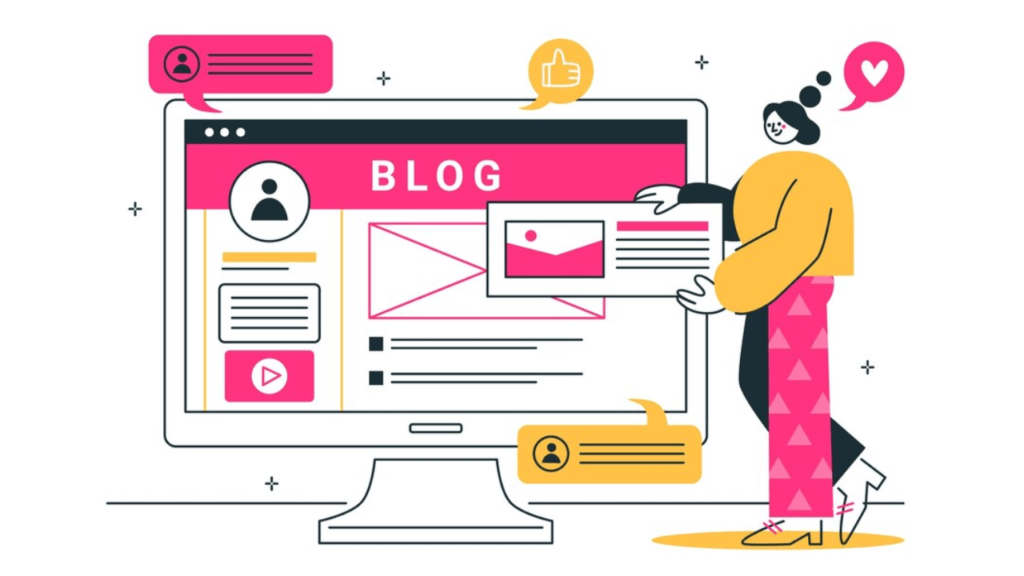
Step 2: Selecting a Blogging Platform for Beginners
Once you've chosen your niche, it's time to select a blogging platform that suits your needs. There are many options available, including WordPress, Blogger, and Medium. Each platform has its pros and cons, so it's crucial to research and compare them before making a decision. Consider factors such as ease of use, customization options, and integrations with social media and other tools. For instance, WordPress is a popular choice among bloggers due to its flexibility and extensive plugin library.
Step 3: Setting Up Your Blog and Customizing Your Site
After selecting your blogging platform, it's time to set up your blog and customize your site. This includes choosing a domain name, web hosting, and theme. Your domain name should be memorable and easy to spell, while your web hosting should be reliable and secure. When it comes to themes, choose one that's responsive, clean, and easy to navigate. You can also customize your theme by adding your logo, changing colors and fonts, and adding widgets and plugins. For example, you can add a social media widget to connect with your readers and a contact form to receive feedback and inquiries.
Step 4: Creating High-Quality Content for Your Blogging Audience
Now that your blog is set up, it's time to create high-quality content that engages and informs your readers. This includes writing blog posts, creating images and videos, and optimizing your content for search engines. When writing blog posts, focus on providing value to your readers, whether it's solving a problem, sharing a personal experience, or offering expert advice. Use a conversational tone and format your content with headings, subheadings, and bullet points. Don't forget to optimize your images by adding alt tags and descriptions, and use keywords strategically throughout your content.
Step 5: Promoting Your Blog and Engaging with Your Audience
Promoting your blog and engaging with your audience is crucial to building a loyal following and increasing your blog's visibility. This includes sharing your content on social media, collaborating with other bloggers, and participating in online communities related to your niche. You can also use email marketing to stay in touch with your readers and notify them about new content, products, or services. Additionally, engage with your readers by responding to comments, answering questions, and asking for feedback. This will help you build a community around your blog and increase user engagement.
Step 6: Analyzing and Optimizing Your Blog's Performance
Finally, it's essential to analyze and optimize your blog's performance to ensure it's meeting your goals and objectives. This includes using analytics tools such as Google Analytics to track your website traffic, engagement, and conversion rates. You can also use SEO tools to optimize your content for search engines and improve your blog's visibility. Additionally, monitor your social media metrics to see how your content is performing and adjust your strategy accordingly. By regularly analyzing and optimizing your blog's performance, you can identify areas for improvement and make data-driven decisions to grow your blog and increase your online presence.
Frequently Asked Questions
Here are some frequently asked questions about blogging for beginners:
Q: What is blogging, and why is it important?
A: Blogging is the process of creating and publishing content on a website, and it's essential for building an online presence, establishing authority, and connecting with your target audience.
Q: How do I choose a niche for my blog?
A: Choose a niche that you're passionate about and have expertise in, and consider what problems you can solve for your readers and what topics are in demand.
Q: What is the best blogging platform for beginners?
A: The best blogging platform for beginners is WordPress, due to its ease of use, flexibility, and extensive plugin library.
Q: How do I promote my blog and increase my online visibility?
A: Promote your blog by sharing your content on social media, collaborating with other bloggers, and participating in online communities related to your niche. Additionally, use SEO techniques to optimize your content for search engines and increase your blog's visibility.
Blogging Basics For Beginners - BigProductStore.com
Blogging Basics For Beginners - BigProductStore.com
How To Start Blogging For Beginners
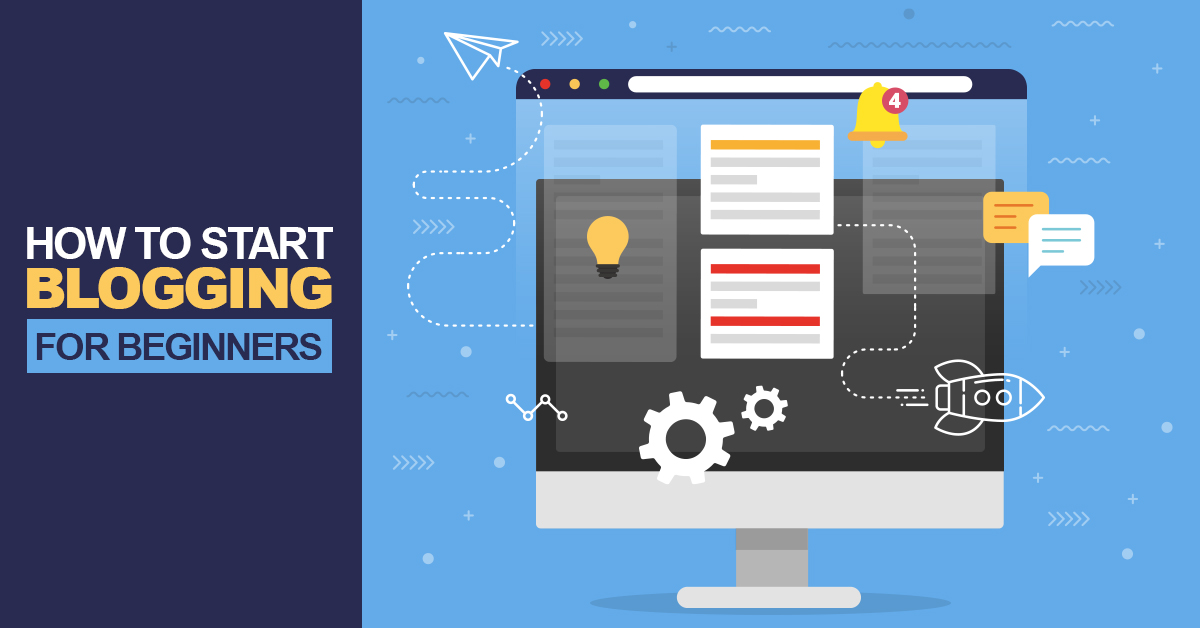
How to start blogging for beginners
Blogging Basic For Beginners
Blogging Basic For Beginners